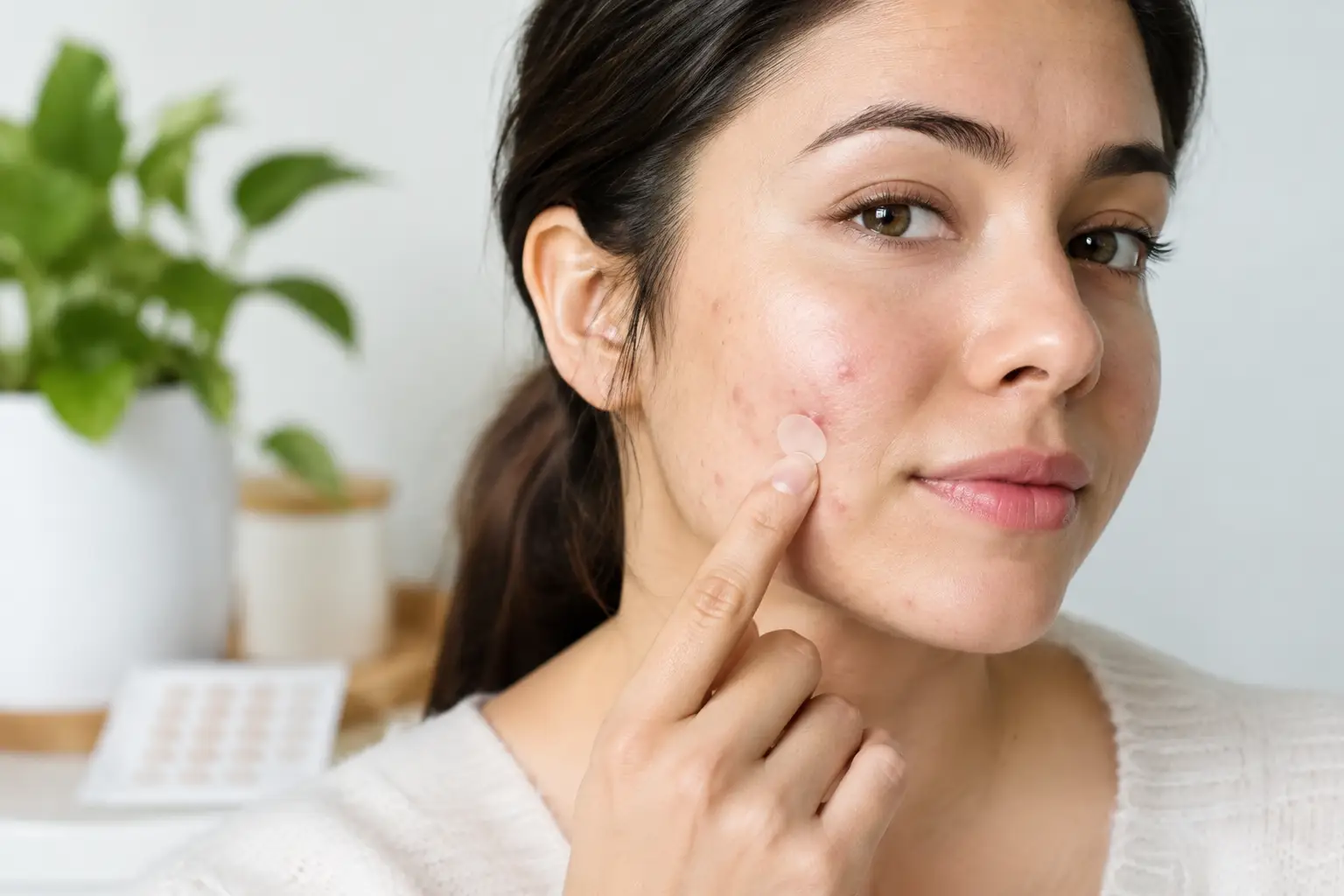
Can Acne Patches Help Cystic Acne? What to Know
A painful, under-the-skin breakout can make you want a quick fix by morning. So, can acne patches help cystic acne? Sometimes - but mainly as a way to protect the spot and stop hands from making it worse. A standard hydrocolloid patch is excellent for certain pimples, yet cystic acne plays by different rules because the inflammation starts deeper in the skin.
Knowing the difference helps you choose the right next step instead of layering on products that leave your skin more irritated. Think of an acne patch as one useful tool in a simple routine, not a cure-all for every type of breakout.
What makes cystic acne different?
Cystic acne is a deep, inflamed form of acne. It often appears as a tender red bump or larger lump beneath the skin, commonly around the jawline, chin, cheeks, chest, or back. Unlike a surface-level whitehead, it may not have a visible opening or a head to drain.
These breakouts can linger for days or weeks. They can also leave dark marks and, in some cases, scars, especially when squeezed or picked. Hormonal shifts, genetics, stress, certain medications, and pore-clogging products can all play a role. For some people, cystic acne is occasional. For others, it is a recurring concern that deserves professional care.
That depth is the key issue. Most classic acne patches sit on top of the skin. They cannot reach deeply enough to resolve the inflammation that creates a true cyst.
Can acne patches help cystic acne at all?
Yes, with realistic expectations. A hydrocolloid patch may help a cystic breakout indirectly by creating a clean physical barrier over it. That can discourage picking, reduce friction from masks or pillowcases, and shield the area from makeup, hair products, and curious fingers.
If a deep bump begins to surface, opens on its own, or develops a visible whitehead, a hydrocolloid patch can become more helpful. Hydrocolloid absorbs fluid from a weeping or draining blemish. It also maintains a protected environment while the spot heals. You may notice the patch turn white or opaque after it has absorbed moisture.
What it usually will not do is flatten a closed, hard, painful cyst overnight. If the pimple has no opening and no fluid near the surface, there is little for a hydrocolloid patch to absorb. Wearing one is still fine if it keeps you from touching the area, but do not judge the patch by whether it pulls the entire blemish to the surface.
Hydrocolloid patches versus medicated patches
Not all acne patches work the same way. Basic hydrocolloid patches are primarily protective and absorbent. They are often a great choice for a popped pimple, a whitehead, or a spot you are tempted to pick.
Medicated patches may include ingredients such as salicylic acid, sulfur, tea tree oil, or niacinamide. These can be useful for some surface blemishes, but they are not automatically better for cystic acne. A strong active ingredient under an occlusive patch can irritate sensitive or already inflamed skin. If you are prone to dryness, redness, eczema, or a compromised skin barrier, keep the rest of your routine especially gentle.
Microdart or microneedle-style patches are designed to deliver ingredients beyond the surface layer, so they may be a more targeted option for early deep bumps. Results vary, though, and they still cannot replace prescription treatment for persistent cystic acne.
How to use an acne patch without irritating a deep breakout
Start with clean, dry skin. Apply the patch before moisturizer, facial oil, sunscreen, or makeup so it can fully adhere. If you use a spot treatment, follow the patch instructions rather than layering products at random. Some patches are intended for bare skin only, and combining multiple strong acne actives can lead to peeling or burning.
Choose a patch that comfortably covers the blemish and leave it on for the recommended time, often several hours or overnight. Replace it if it becomes saturated, lifts at the edges, or collects moisture. When removing it, peel slowly from one side. A stubborn patch does not need to be ripped off.
The most valuable rule is also the simplest: do not pop a deep cyst. Pressing, poking, or trying to force a bump to drain can push inflammation further into the skin. It raises the chance of scarring and can turn one frustrating spot into a longer healing process.
A calmer routine for cystic-prone skin
When a painful breakout appears, it is tempting to attack it with scrubs, multiple acids, drying masks, and strong spot treatments. More products do not always mean faster results. Overdoing exfoliation can weaken the skin barrier, making skin feel tight, stingy, flaky, and more reactive.
A practical routine focuses on steady support. Cleanse gently, use a lightweight non-comedogenic moisturizer, and wear broad-spectrum sunscreen every day. Sunscreen matters even when you are breaking out because UV exposure can make post-acne marks look darker and last longer.
For ongoing acne, proven over-the-counter ingredients may help when used consistently. Benzoyl peroxide can reduce acne-causing bacteria and inflammation. Salicylic acid helps clear clogged pores. Adapalene, a retinoid, supports cell turnover and can prevent new breakouts over time. Each comes with trade-offs: dryness and irritation are common when you start, so introduce one active at a time and use it as directed.
If your skin is currently raw, flaky, or burning, pause harsh treatments and give barrier support priority. A gentle cleanser, soothing essence or serum, moisturizer, and sunscreen can help your skin reset before you add treatments back in. Consistency is more useful than cycling through a new product every few days.
Where acne patches fit in
Acne patches work best as part of that steady approach. Keep a few on hand for whiteheads, healing blemishes, and the moments when you know you are likely to pick. They are discreet, easy to use, and can make a breakout feel less exposed while it heals.
For a closed cyst, use a patch if it prevents touching or protects the area from rubbing. Pair it with a gentle, evidence-based routine rather than expecting the patch to handle the entire problem. This is skin care, simplified: use the right format for the right stage of a breakout.
When it is time to see a dermatologist
A dermatologist can make a meaningful difference if cystic breakouts are frequent, painful, leaving scars, or affecting your confidence and daily life. They may recommend prescription retinoids, topical or oral medications, hormonal options, or an in-office treatment. A dermatologist can also tell the difference between cystic acne and other conditions that can resemble it.
Seek care sooner if a spot becomes rapidly more swollen, warm, very painful, or accompanied by spreading redness. Do not try to drain it yourself. Deep infections and severe inflammation need a professional assessment.
Questions people ask about acne patches and cysts
Should you put a patch on a cystic pimple overnight?
You can, as long as the skin is clean and the patch is comfortable. Overnight wear may protect the spot from touching and friction, but a standard hydrocolloid patch may not visibly reduce a closed cyst by morning.
Can you use a hydrocolloid patch after popping a cyst?
It is better not to pop a cyst. If a blemish has opened or drained on its own, a hydrocolloid patch can protect it and absorb fluid. Keep the area clean, avoid repeated picking, and watch for signs of worsening irritation or infection.
Will acne patches prevent cystic acne scars?
They cannot guarantee scar prevention, but they may lower the urge to pick, which is one of the most practical ways to reduce unnecessary skin trauma. Early treatment for recurring deep acne is the stronger long-term strategy for protecting your skin.
A cystic breakout deserves patience, not punishment. Use a patch for protection when it fits, keep your routine calm and consistent, and get expert support when deep breakouts keep returning. Your skin does not need a complicated response - it needs the care that matches what is actually happening beneath the surface.
Comments