Skin Barrier Repair Essence: How to Use It
Skin that suddenly feels tight after cleansing, stings when you apply products, or looks dry despite a full moisturizer usually needs less intensity and more support. A skin barrier repair essence is designed for exactly that moment: a light, hydrating layer that helps comfort stressed skin and makes the rest of your routine feel more effective.
Think of it as a reset step, not another complicated rule. The right essence can bring hydration back to the surface, reduce that stripped feeling, and help your skin feel smoother, calmer, and more balanced from day to day.
What Is a Skin Barrier Repair Essence?
Your skin barrier is the outermost layer of skin. It works like a protective seal, helping keep water in while helping shield skin from irritants, pollution, dry air, and friction. When that seal is under stress, skin can lose moisture more easily. The result may be rough texture, redness, sensitivity, flaking, breakouts, or a combination of all of the above.
A skin barrier repair essence is a watery or slightly viscous treatment applied after cleansing. It delivers hydration and barrier-friendly ingredients in a comfortable, easy-to-layer format. Unlike a cleanser, it does not wash anything away. Unlike a heavier cream, it is not meant to seal everything in on its own. Its role is to replenish and prep.
This lightweight texture is especially useful when your skin feels dehydrated but heavy products sound unappealing. It can also be a smart first treatment layer for people whose skin gets congested easily yet still needs moisture support.
Signs Your Barrier May Need Extra Support
Barrier stress does not always look the same. For some people, it shows up as dry, flaky patches around the nose or mouth. For others, it looks like sudden sensitivity to products they normally tolerate. You may notice makeup catching on texture, a dull appearance, or skin that feels oily and dehydrated at the same time.
Common triggers include over-exfoliating, starting retinol too quickly, using harsh cleansers, skipping moisturizer, cold weather, strong sun exposure, and even rubbing the skin too aggressively with towels or cleansing tools. Acne treatments can be helpful, too, but they may leave skin feeling dry if the rest of your routine does not provide enough support.
A barrier-focused essence will not solve every skin concern overnight. Persistent rashes, swelling, cracking, painful acne, or severe burning deserve advice from a dermatologist. But for everyday dryness and sensitivity caused by an overworked routine, a simpler approach often helps.
Ingredients That Make an Essence Worth Reaching For
A formula does not need a long ingredient list to be useful. What matters is whether it gives your skin hydration and comfort without adding unnecessary irritation. Look for ingredients that support moisture levels and help reinforce a healthy-looking skin surface.
Humectants such as glycerin, hyaluronic acid, panthenol, and beta-glucan draw water toward the skin, helping it look plumper and feel less tight. They work best when followed by a moisturizer that helps hold that hydration in.
Soothing ingredients can make a real difference when skin feels reactive. Centella asiatica, colloidal oatmeal, allantoin, and phyto-mucin are popular options because they offer a soft, cushioning feel without the weight of a rich balm. Rice extracts and fermented ingredients can also be appealing for a hydrated, more luminous finish, though very sensitive skin may prefer a shorter, more straightforward formula.
Ceramides, fatty acids, and cholesterol are associated with the skin’s natural lipid structure. An essence may include them in lighter amounts, while a cream often provides a more substantial dose. Used together, they can make a practical barrier-support pair.
If your skin is feeling compromised, be selective with strong extras. Fragrance, high levels of denatured alcohol, exfoliating acids, and heavily fragranced essential oils can be fine for some people, but they are not always the best match for a repair-focused routine. The goal is comfort, not a tingling sensation that feels dramatic in the moment.
How to Use Skin Barrier Repair Essence
Use your essence after a gentle cleanse and before serums or moisturizer. Apply it while skin is still slightly damp, not dripping wet. This helps hydrating ingredients spread easily and supports a soft, fresh finish.
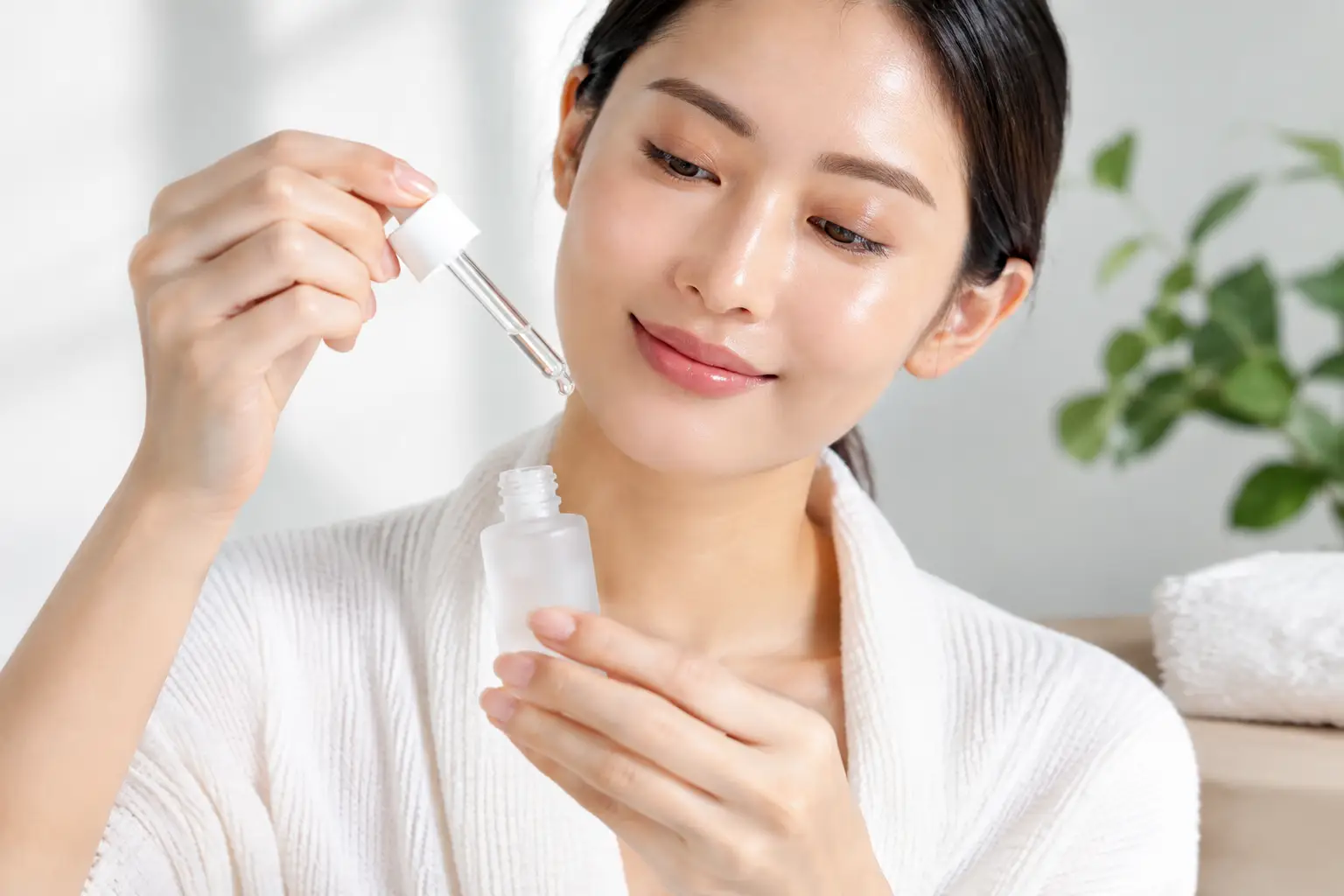
Pour a few drops into clean palms, then press the formula over your face and neck. There is no need to scrub or pat aggressively. Let the product settle for a few seconds before moving on. If your skin feels especially dry, you can apply a second thin layer rather than piling on one heavy application.
A simple morning routine might be gentle cleanser, barrier repair essence, moisturizer, and sunscreen. At night, follow cleansing with essence and moisturizer. If you use a targeted treatment like retinol, apply it according to the product directions, then use moisturizing layers to keep your routine comfortable.
There is no universal order that works for every formula, so pay attention to texture and directions. A thin, water-based essence generally goes before thicker serums and creams. The bigger priority is consistency. One calming essence used regularly is often more helpful than rotating through several active treatments when your skin is already overwhelmed.
Pair It With a Routine That Does Less, Better
A barrier repair essence works best when the rest of your routine gives it room to do its job. If you are trying to recover from dryness or sensitivity, consider pausing exfoliating scrubs, strong peels, and frequent acid toners for a few days or weeks. You do not have to abandon every active forever. You may simply need to reintroduce them more slowly once skin feels comfortable again.
Cleansing is another place where small changes matter. Use lukewarm water instead of hot water, choose a cleanser that leaves your skin feeling clean but not squeaky, and avoid rubbing with rough washcloths. If you enjoy beauty tools, use them gently and keep them clean. The right tool should support your routine, not turn cleansing into friction.
Moisturizer is the follow-through step. Essences add water-based hydration, while creams and lotions help reduce moisture loss. Dry skin may prefer a richer cream, especially at night. Combination or acne-prone skin may do better with a lightweight gel-cream. It depends on how your skin feels after application, not on what your skin type label says you should use.
And during the day, sunscreen matters. UV exposure can contribute to visible dryness, irritation, and uneven tone. A comfortable facial sunscreen is one of the most practical ways to protect the progress you are making with a barrier-support routine.
When to Keep It Simple
If you have just introduced a new essence, do not test it alongside three other new products. Give your skin a chance to show you how it responds. Patch test when possible, especially if you are prone to sensitivity or have a history of reactions.
You may notice an immediate hydrated glow, but barrier support is usually more about how your skin behaves over time. Look for less tightness after cleansing, fewer dry patches, smoother makeup application, and skin that tolerates your usual moisturizer more comfortably.
If your routine has become a shelf full of half-used treatments, this is a good moment to edit. A gentle cleanser, a skin barrier repair essence, a moisturizer, and daily sunscreen can be a strong everyday foundation. Add acne patches, retinol, exfoliation, or other targeted care only when your skin has a clear reason for it.
Self-care does not need to be complicated to feel good. Start with the layer your skin is asking for, keep the routine comfortable, and let steady care do the work.
Comments