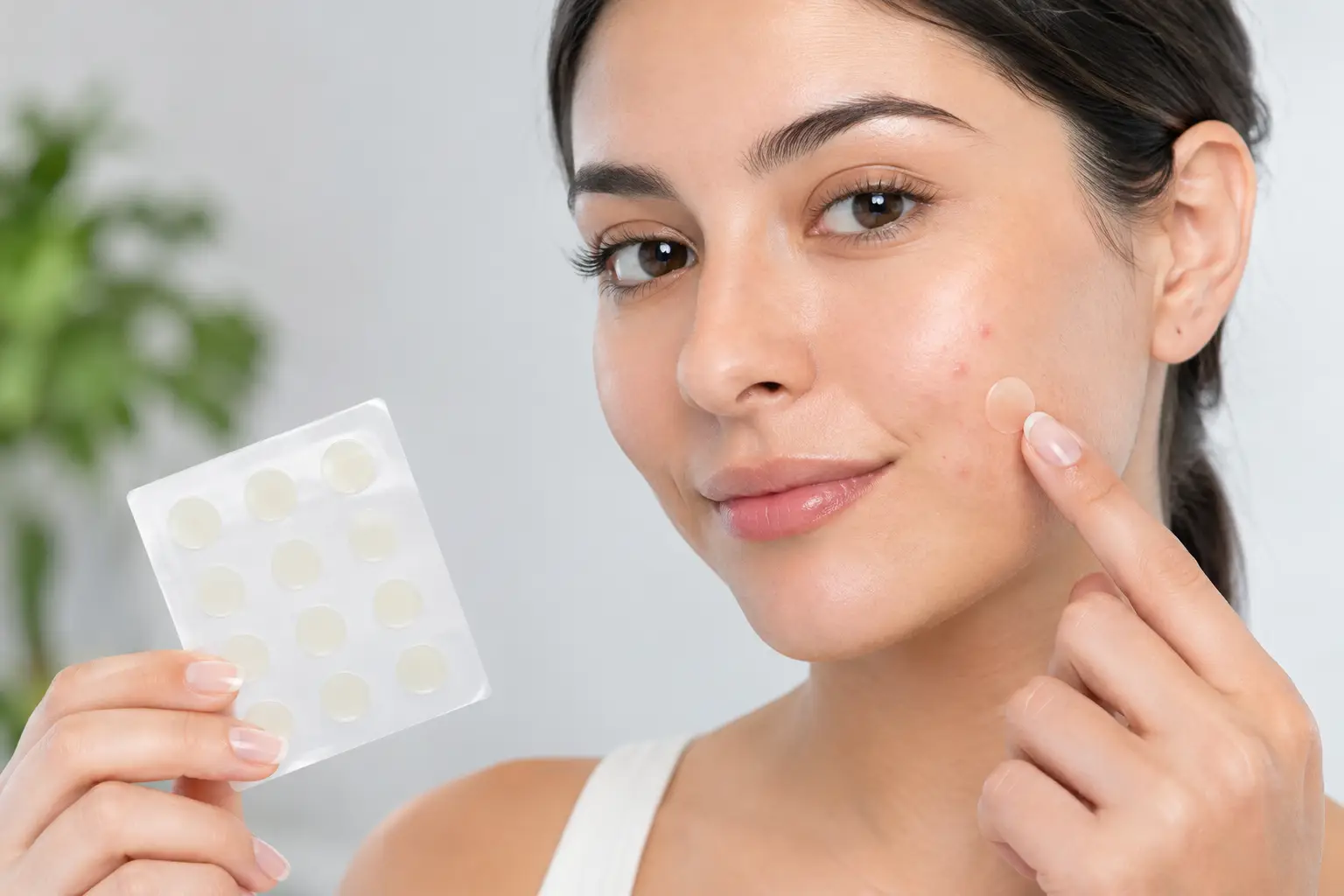
What Do Hydrocolloid Patches Do for Acne?
A whitehead appears before a big meeting, a dinner out, or the one day you planned to skip makeup. Reaching for a hydrocolloid patch can feel like a small act of rescue. But what do hydrocolloid patches do for acne, exactly? They absorb fluid from certain active blemishes, create a protective cover, and make it much easier to leave a spot alone while it settles.
They are not a cure for every breakout, and they do not replace a thoughtful skin care routine. Used at the right time, though, these little patches can be one of the simplest, most satisfying tools in your routine.
What Do Hydrocolloid Patches Do for Acne?
Hydrocolloid is a moisture-absorbing material originally used in wound dressings. On a pimple, it works by drawing out fluid such as pus and oil from a surface-level blemish. That is why many patches turn white or opaque after several hours of wear. The change is not a gimmick - it is the material absorbing what the spot releases.
At the same time, the patch forms a soft physical barrier over the blemish. This matters because acne often looks worse after it has been touched, squeezed, picked, or rubbed against a pillowcase. Covering a spot helps keep fingers, makeup, hair products, and everyday friction away from vulnerable skin.
For a pimple that has come to a visible head, a patch can help reduce the wet, raised appearance and support a cleaner-looking finish by morning. The biggest benefit is often behavioral: when the blemish is covered, you are less likely to inspect it in the mirror and pick at it. Fewer picking sessions can mean less irritation and a lower chance of lingering marks.
Hydrocolloid patches also keep the area in a lightly moist environment. Skin generally repairs itself more comfortably when it is not constantly drying out or being disturbed. Think of a patch as a calm, protective cover for a spot that is already on its way out.
The Acne Patches Work Best on Certain Breakouts
Hydrocolloid patches are most helpful for pimples close to the surface, especially whiteheads, pustules, and blemishes that have already been accidentally opened or drained. If a spot is producing fluid, the patch has something to absorb.
They are less impressive on blackheads, clogged pores, and deep under-the-skin bumps. A blackhead is made of compacted oil and dead skin in a pore, not fluid that a patch can pull out. A painful cystic blemish sits deeper in the skin, so a standard patch cannot reach the source of inflammation. It may still stop you from touching the area, but it will not flatten a deep cyst overnight.
This is where realistic expectations make a difference. Acne patches are a targeted support product, not a full treatment plan. For recurring breakouts, consider the rest of your routine too: gentle cleansing, daily sunscreen, and acne-friendly ingredients that suit your skin. Persistent, painful, or scarring acne deserves a conversation with a board-certified dermatologist.
Plain Hydrocolloid vs. Microneedle Patches
Most classic acne patches are plain hydrocolloid. They are designed to absorb fluid and protect surface-level blemishes. They are usually the best choice for a visible whitehead or a spot you have already picked.
Some patches have tiny dissolving microdarts that deliver ingredients such as salicylic acid, niacinamide, or hyaluronic acid into the upper layers of skin. These are often marketed for early-stage blemishes that feel tender but have not formed a head. Results vary, and sensitive skin may find active ingredients irritating. If you are new to acne patches, simple hydrocolloid styles are an easy place to start.
How to Use Hydrocolloid Patches for the Best Results
Application is simple, but a few details help the patch stay put and work as intended. Start with freshly cleansed skin and gently pat the area completely dry. A patch will not adhere well over moisturizer, sunscreen, facial oil, or makeup.
Apply it directly over the blemish without touching the adhesive side more than necessary. Press lightly around the edges for a few seconds. Then leave it alone. Most patches can be worn for six to 12 hours, depending on the product and how much fluid the blemish releases. Overnight is convenient, but daytime wear works well too, especially if you want a barrier against touching your face.
Remove the patch slowly and replace it if the spot is still draining, the patch has turned opaque, or the edges have lifted. If the skin looks dry, raw, or irritated, give it a break and use a gentle barrier-supporting moisturizer instead.
Avoid layering strong acne treatments directly underneath a standard patch unless the product directions specifically say you can. Benzoyl peroxide, retinoids, and exfoliating acids can be helpful in a larger acne routine, but combining too many treatments on one already-irritated spot can lead to peeling and discomfort. More product does not always mean better results.
Common Mistakes That Make Patches Less Effective
The most common mistake is applying a patch to damp skin or on top of skin care. Even a lightweight essence can interfere with adhesion. Save your leave-on products for the surrounding skin and place the patch on a clean, dry blemish.
Another is using a patch before a pimple has surfaced and expecting it to erase the bump. For deep, inflamed breakouts, it is usually more useful to focus on a gentle routine, avoid squeezing, and give the blemish time. A hydrocolloid patch can still provide a hands-off reminder, but it may not visibly absorb much.
It is also tempting to peel off a patch early just to see what happened underneath. Resist the urge. Giving it several uninterrupted hours offers the best chance for absorption and protection. And if a patch causes redness in the exact shape of the adhesive, stop using it and choose a different option after the skin calms down.
Can You Wear Makeup Over an Acne Patch?
Yes, if the patch is thin and designed for daytime use. A clear patch can create a smoother surface than a raised, uncovered blemish, especially under a small amount of concealer. Apply the patch first, then gently tap makeup around it. Heavy foundation, powders, and constant blending can lift the edges, so keep coverage light.
For nighttime, skip the makeup and let the patch do its quiet work. This is often the easiest time to use a more noticeable, thicker hydrocolloid patch.
Where Acne Patches Fit in a Simple Routine
A patch works best as one small, practical step in a routine that respects your skin barrier. Cleanse without stripping your skin, moisturize consistently, and use sunscreen each morning. If you use acne treatments, introduce them gradually and pay attention to dryness, stinging, or flaking.
Keep patches within reach for the individual spots that need extra protection. They are especially useful after you have been tempted to pick, when a blemish has a clear white center, or when you want to keep a healing spot covered during sleep. Santanyí makes it easy to build this kind of realistic routine around the products you will actually use.
The best acne patch is not the one that promises instant perfection. It is the one you apply to the right kind of blemish, leave on long enough, and use as a gentle reminder that your skin usually does better when you stop interfering with its repair.
Comments